UN ENSEMBLE DE CLUBS EXCLUSIFS POUR MIEUX PROFITER DE LA VIE.
Scroll
Sport et évasion
Des lieux d’exception, des infrastructures de pointe et un vaste espace pour chaque membre. Piscines extérieures, spas, courts de tennis et des centaines de cours collectifs proposés dans nos studios ; tant d’atouts qui permettent à nos membres de faire du sport et de se détendre tout en profitant d’un soutien personnalisé et de conseils avisés.
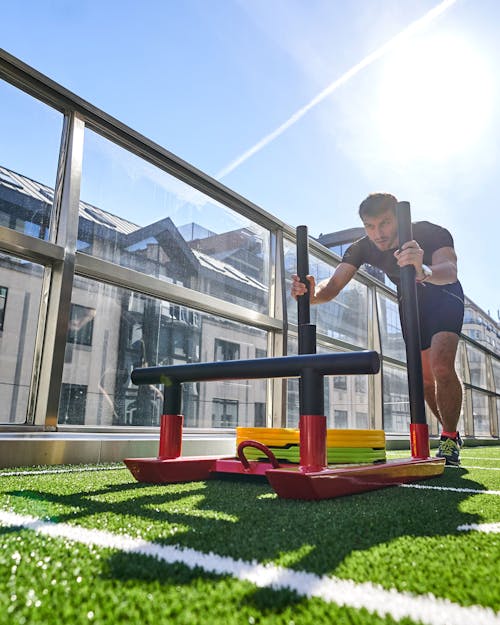
Des salles de sport de pointe
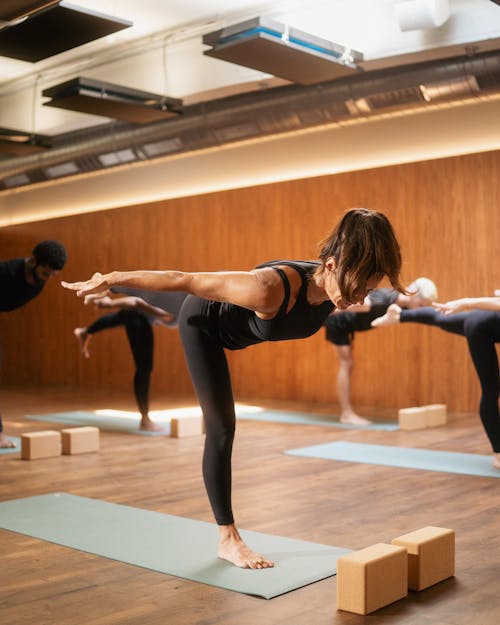
Des centaines de cours collectifs chaque semaine
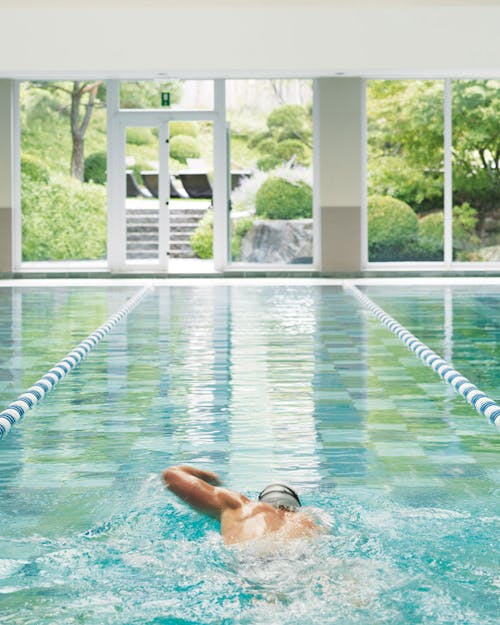
Des piscines d’exception
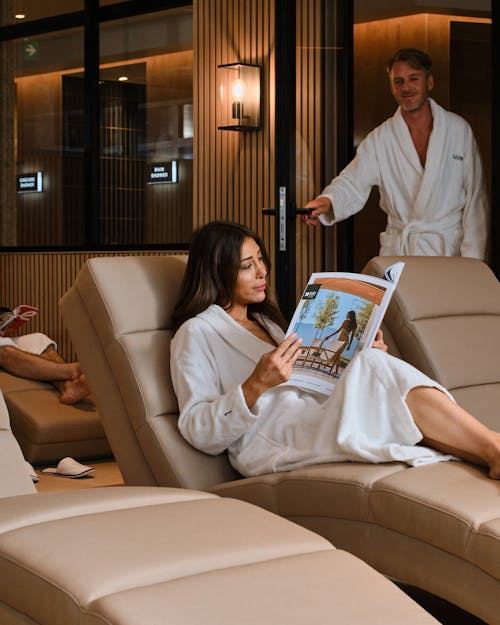
Des spas de classe mondiale
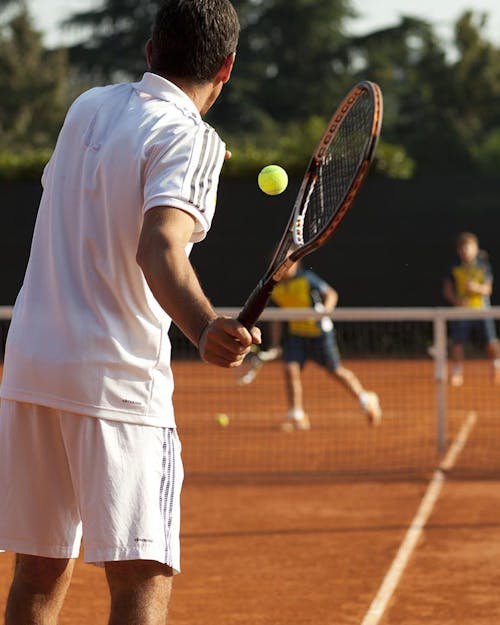
Courts de tennis et tournois
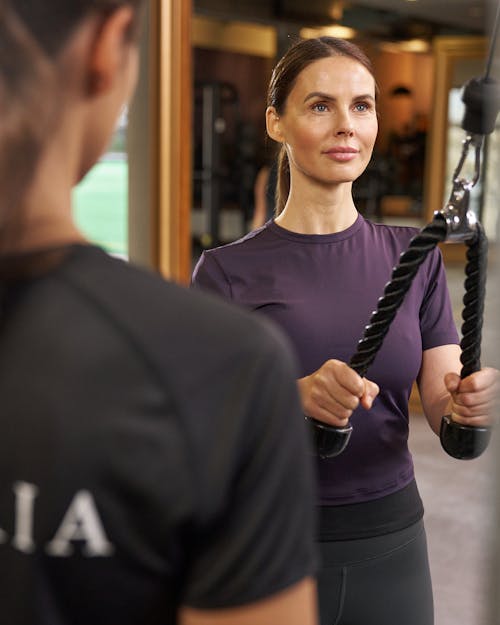
Atteignez vos objectifs avec AspriaPro
Apprendre et grandir
Profitez en famille d’un environnement hors du commun. Nous vous proposons un programme unique en son genre, qui stimule le développement des enfants de tous âges. Des crèches spécialisées aux formations et stages à l’Academy, les activités destinées aux enfants s’alignent sur les horaires des cours accessibles aux adultes.
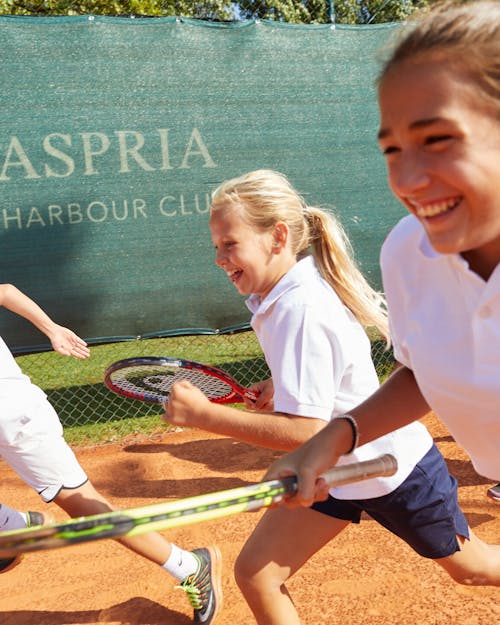
Le développement au sens large à l'Aspria Academy

Piscines familiales et cours de natation

Événements et infrastructures pour toute la famille
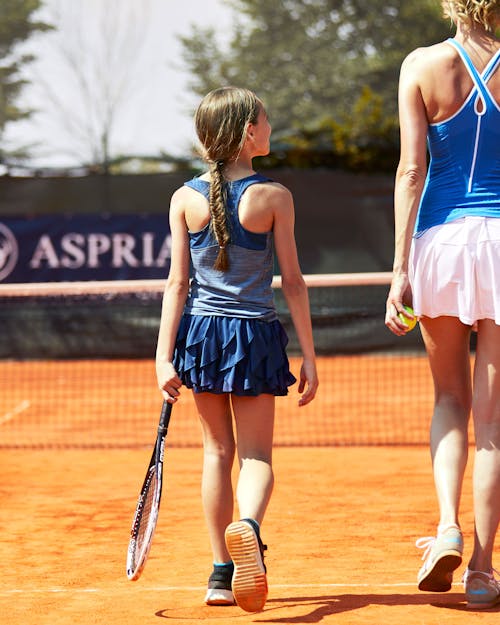
Des cours et des stages spécialisés pour toutes vos envies
TRAVAILLER ET JOUER
Nous aidons nos membres à trouver le bon équilibre. Une vie professionnelle moderne avec des espaces de travail et des services dédiés et flexibles dans tout le club. Des zones de restauration et de club pour se reposer et se connecter, avec un calendrier d'événements pour nos communautés de membres tout au long de l'année. Bienvenue chez vous!

Restaurants conviviaux
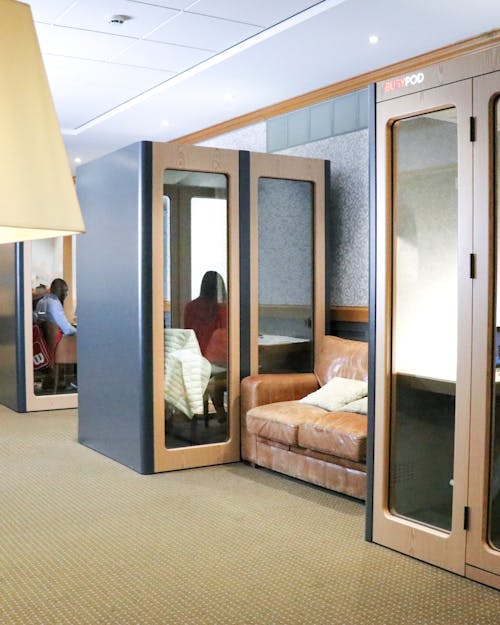
Espaces de travail, salles de réunion et événements professionnels
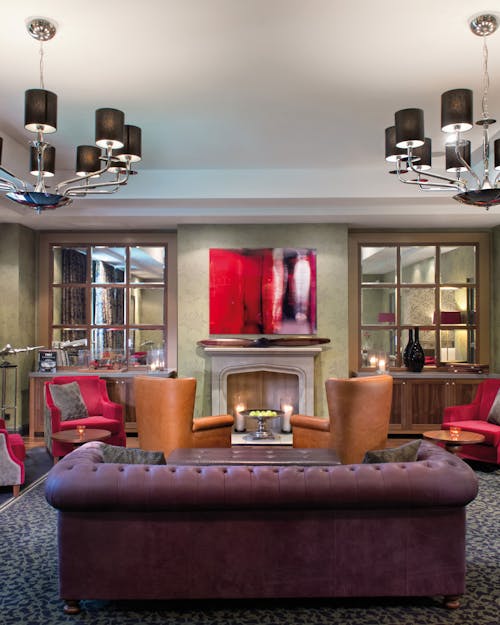
Espaces détente